

5 Ways That Music Helps Your Baby or Toddler Grow
Science shows that music and movement tailored to infants and toddlers enriches their memory, motor skills, self‑regulation, and more 🎶
Behind the music our little ones love, real brain science is at work.
We can all feel the joy and fun that our children experience through music. But research shared from music advocacy groups and healthcare organizations show that musical play helps their brains link sound, movement, and emotion from as early as infancy.
So how does singing, dancing, or playing with music help our children develop these new skills? As little ones grow from infants into toddlers, we move through different milestones — and we can use music to support each of those stages.
From early language and motor skill development, to self-regulation and stress relief, let’s explore how small music moments help our children grow in big ways!
1. Rhythm and motor skills
Moving to a steady beat helps little bodies build balance, strength, and control. As children explore music and movement together, they experience benefits like:
Connecting what they hear to how they move
Developing body awareness, and fine and gross motor skills
Improving timing, coordination, and core strength
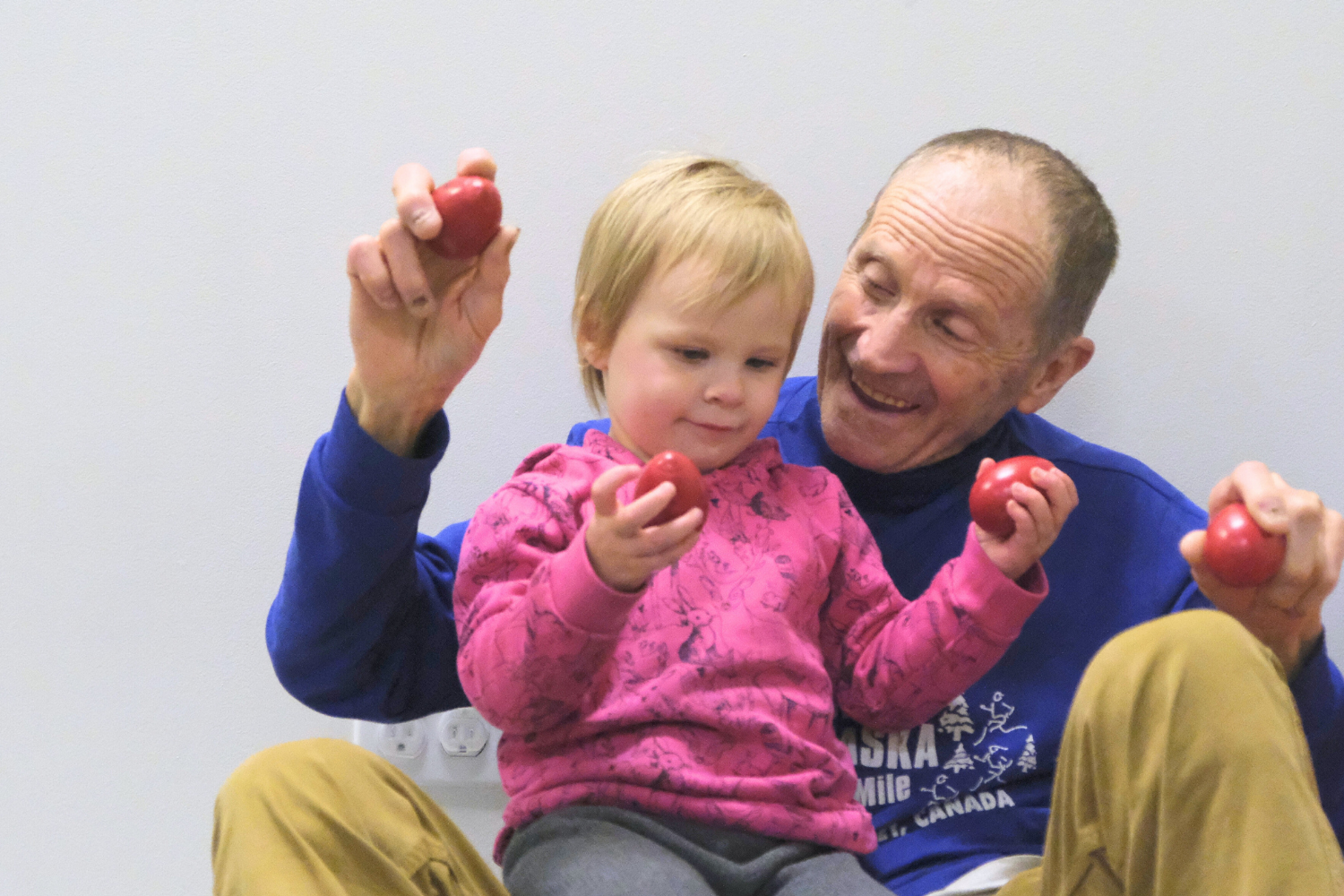
By linking sounds and patterns with their play, babies and toddlers grow in different ways.
For 0–12 month olds: Your baby builds steadier head and core control and anticipates a change in beat with tiny body moves, smiles, or bounces.
In 1–2 year olds: Your toddler claps on the beat sometimes and starts to march or sway in time or in simple sequences.
And for 2 or 3 year olds: Your child keeps a simple steady beat, hops or tiptoes with control, and begins to move, start, or stop with music cues.
2. Language and communication
Singing along to silly lyrics or wacky sounds is about more than just play. Songs influence early language growth and their rhythm highlights speech patterns. As little ones listen and copy sounds, they also:
Develop receptive and expressive language
Strengthen their understanding of syllables and rhyme (phonological awareness)
Practice turn‑taking and joint attention
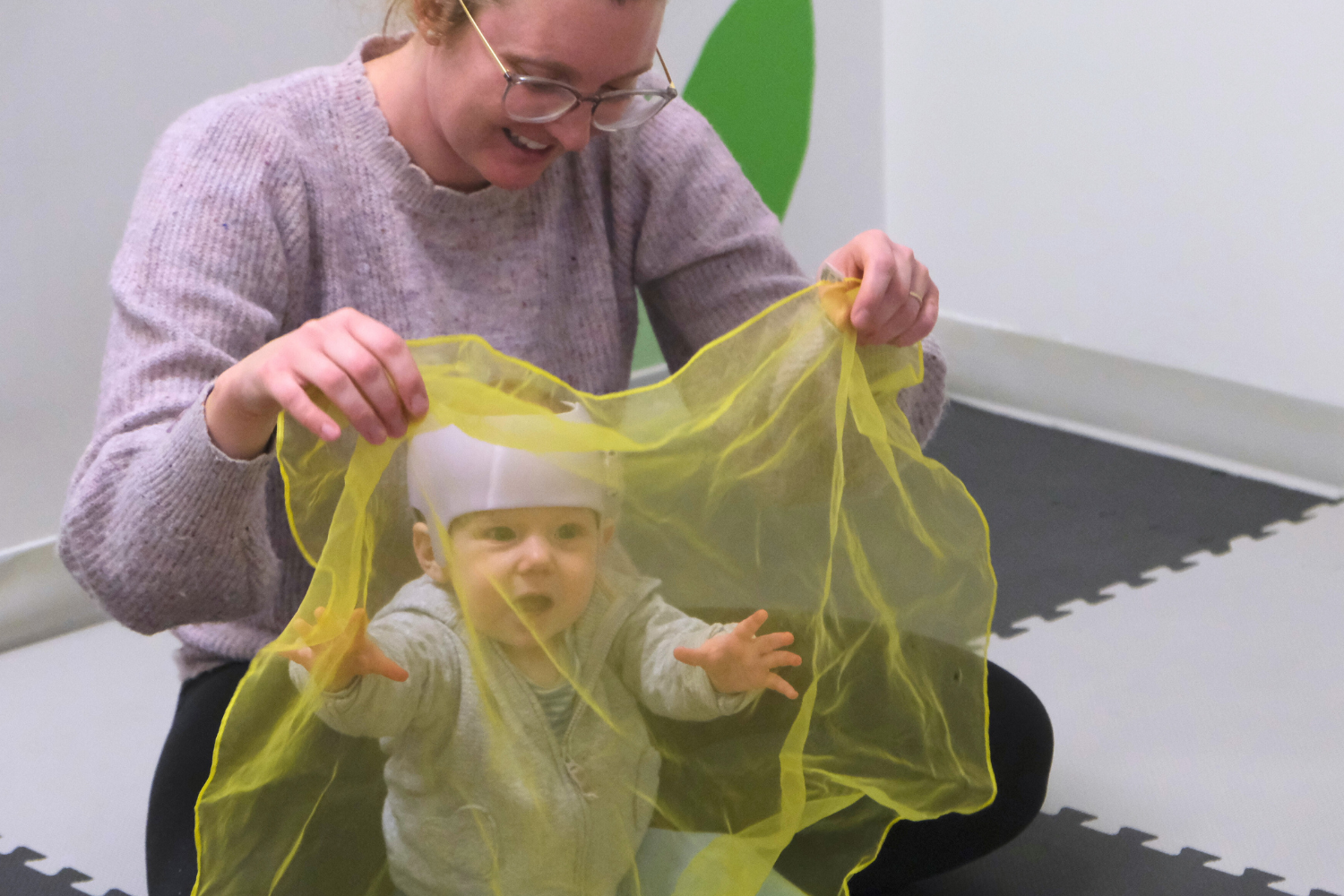
You’ll notice different milestones as your child learns to express themselves with the help of music.
For 0–12 month olds: You’ll hear more babbling and varied sounds as your baby follows the way your voice shifts and imitates simple sounds.
By 1–2 years old: As they start to connect words and actions, your child points or moves in time with songs, and begins to combine words or sounds to sing along.
For 2–3 year olds: Your child sings short phrases, uses describing words tied to sounds, and follows two‑step directions set to a beat.
3. Listening and sound awareness
Discovering and playing with new sounds helps young children practice their careful listening. Your baby or toddler starts to notice, sort, and name what they hear! They learn to:
Recognize high versus low sounds, and loud versus soft sounds
Associate sounds and timbre, the “colour” of sound, with new words
Focus their attention in busy spaces
Experiencing richer, more diverse sounds helps your child’s brain grow and supports their attention, memory, and language at different stages.
In 0–12 month olds: Your baby locates the source of sounds, turns toward new tones, and quiets down to listen for soft sounds.
At 1–2 years old: Your child reacts differently to high versus low pitches, shows preferences for certain sounds, and starts to copy new sounds or sound effects.
In 2–3 year olds: Your child names sound qualities like “ringy” or “bangy,” sorts sounds by type, and matches them to familiar objects.
4. Memory and patterns
Repeating musical patterns helps little brains predict what comes next, and engages the same memory systems used for early math and reading. Young children experience benefits like:
Builds working memory with repeatable forms (A‑B, call‑and‑response)
Improves the ability to predict and sequence
Supports counting and simple comparisons (fast/slow, long/short)
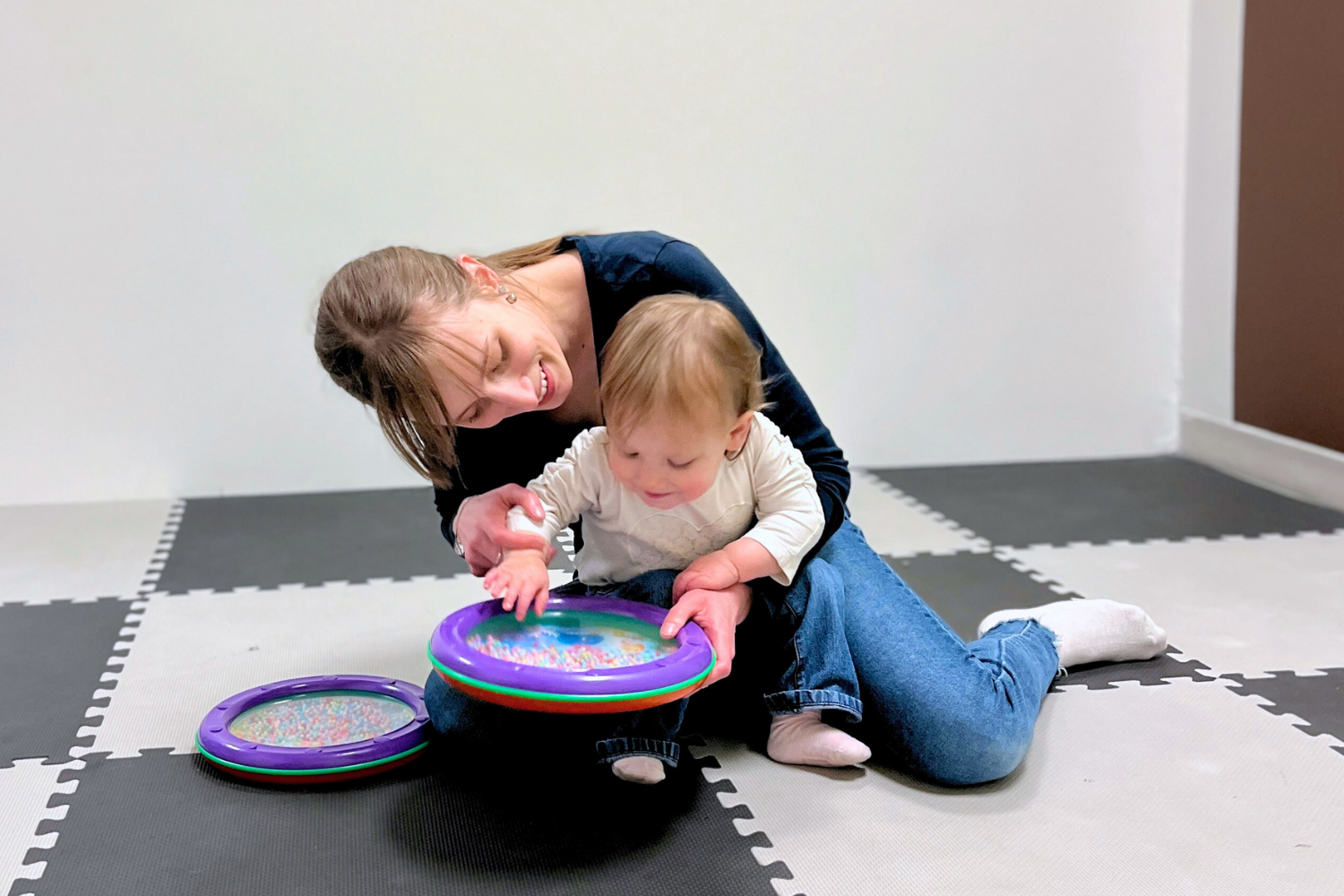
In 0–12 month olds: Your baby calms with predictable phrases, watches for the “ta‑da” moment within the music or during playtime, and anticipates the chorus in songs.
At 1–2 years old: Your toddler copies short patterns, starts to predict what’s next in familiar music, and remembers favourite parts of a song while listening.
By 2–3 years old: Your child leads their own simple patterns, counts a few beats in order, and recalls short beat patterns from familiar songs.
5. Social‑emotional growth
Shared music helps tiny humans learn safe ways to practice turns, feel proud, and express themselves. Music’s social nature benefits their growth by:
Teaching how to wait, share, and lead
Building confidence through small wins and positive feedback
Supporting self-expression through movement and sound
Helping them process big feelings with steady beat and breath
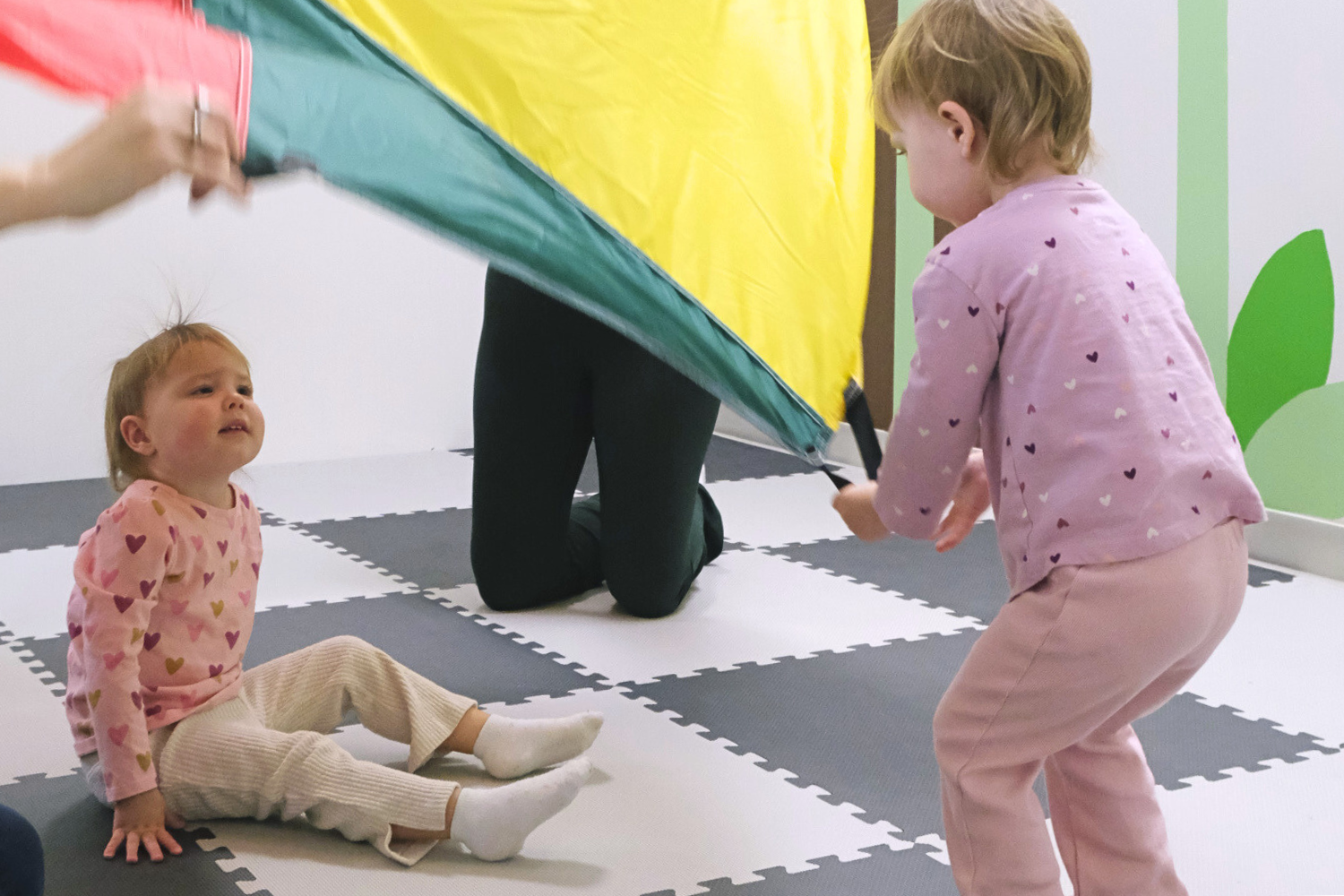
Music activities spark the reward pathways in your child’s brain. This boosts their mood, motivation, and readiness to learn at each developmental stage!
Between 0–12 months old: You’ll see social smiles and shared attention in songs, as your baby looks between you and the sound for connection.
In 1–2 year olds: Your toddler takes short turns with actions, makes simple choices to express themselves or play, and offers or accepts turns and sharing.
By 2–3 years old: Your toddler leads group actions, asks for or chooses music to calm or energize, and expresses feelings and song preferences.
Bonus! Bonding and other benefits for parents
Exploring music with your little one unlocks new, positive experiences for you too.
Bonding: shared songs deepen attachment and trust between you and your child.
Stress care: listening to a steady beat and breathing together supports co‑regulation!
Routines: a wake-up song, tidy song, and calm-down song help to reduce struggles or discomfort at transition times in your day.
Community: inviting other families for a musical playdate, or joining parent and child classes, are great opportunities for the whole family to connect and share in challenges, wins, and joy.
These are just some of the reasons why we welcome families across Cambridge, Kitchener, Waterloo, Ayr, and North Dumfries into our studios every week for kids' music classes.
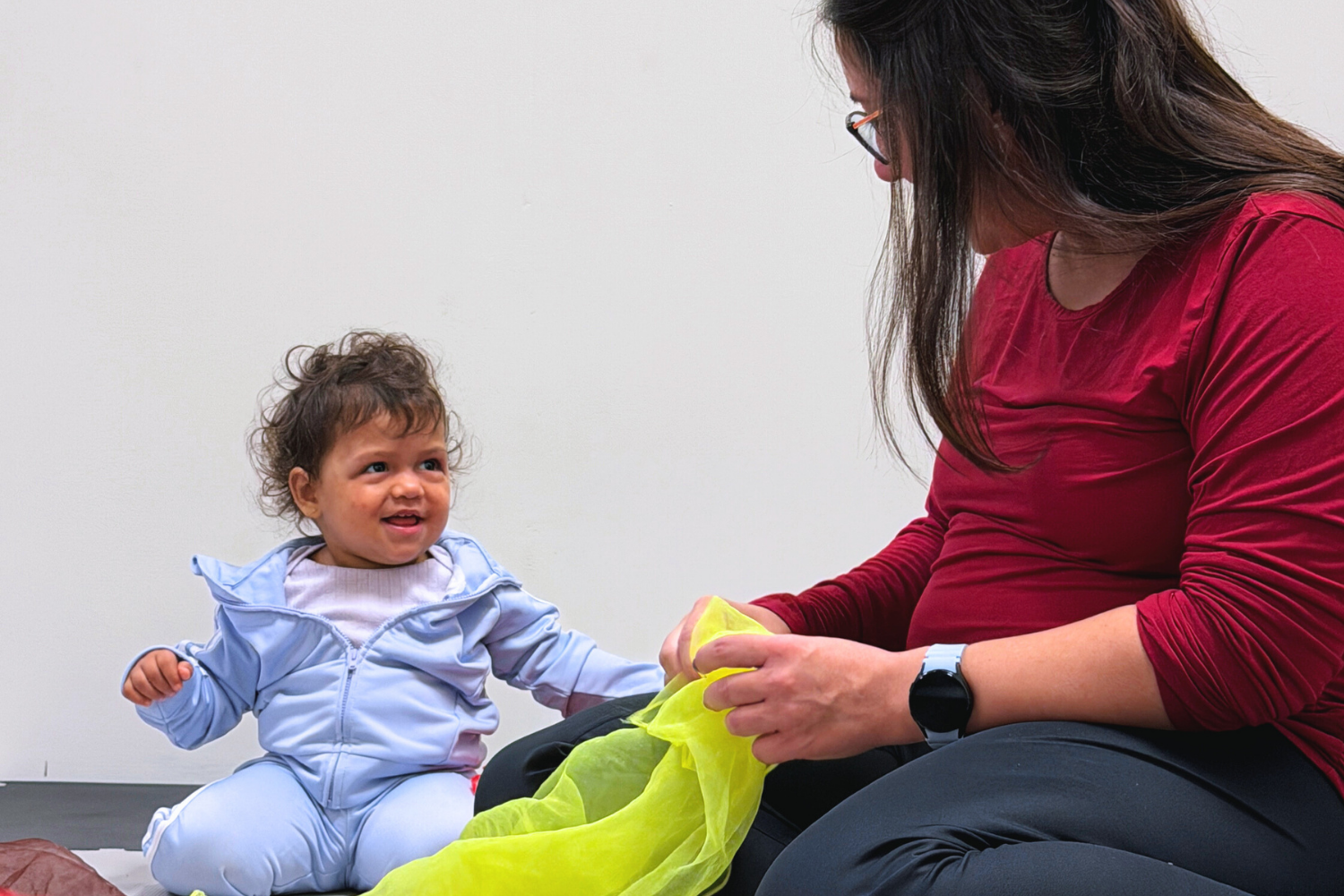
Discover the benefits of music in the Musical Safari: our early childhood music program.
At our studio, we combine play-based activities and music that benefits cognitive, physical, and emotional growth.
Musical Safari classes blend music and play with early childhood skills. It’s a great fit if you’re seeking infant music and movement, baby music classes, or enrichment classes for toddlers.
Curious? Check out the Musical Safari to see how music can help your little one grow, one song at a time. 🎵